What Is Balayage? How Long It Lasts and What to Expect
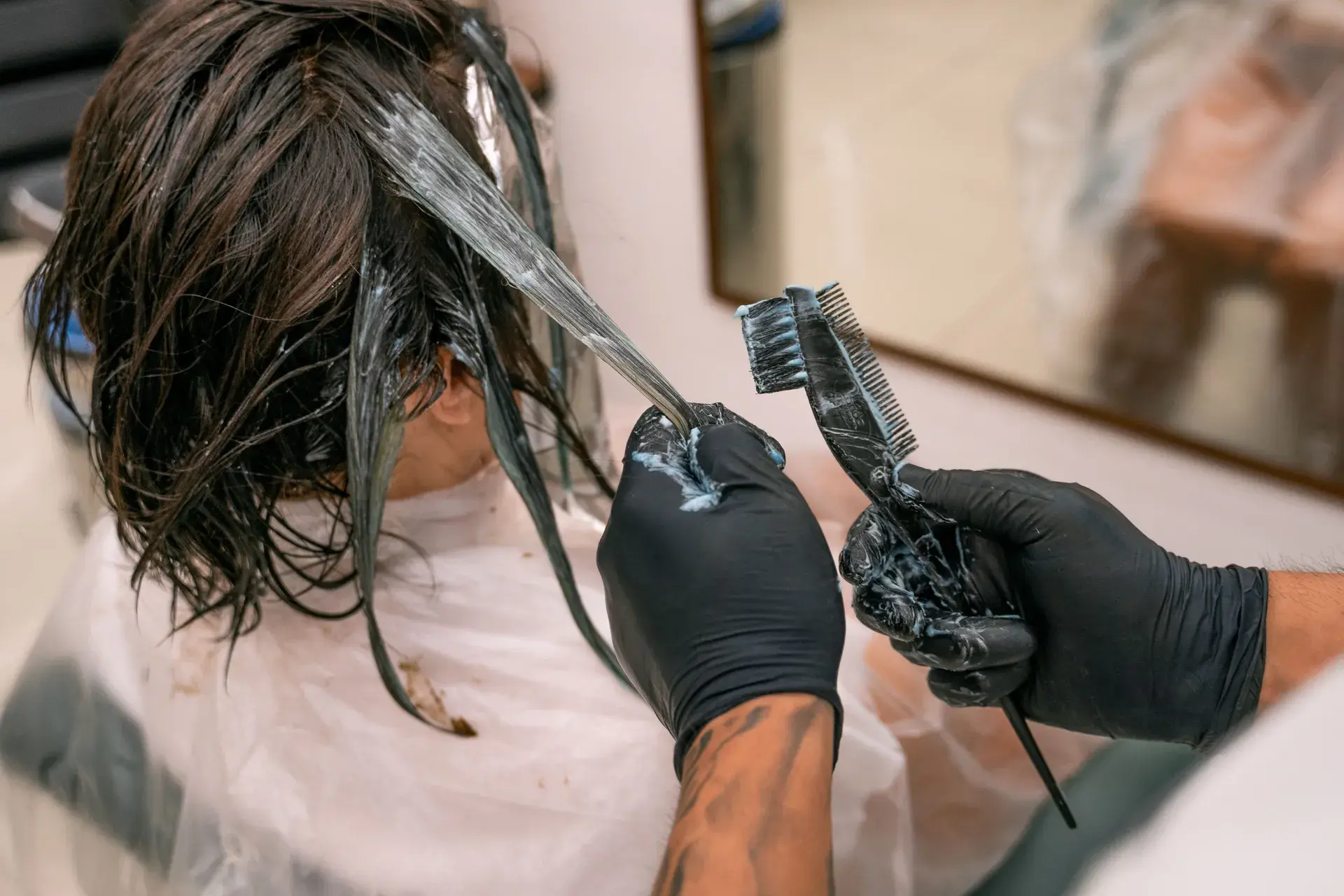
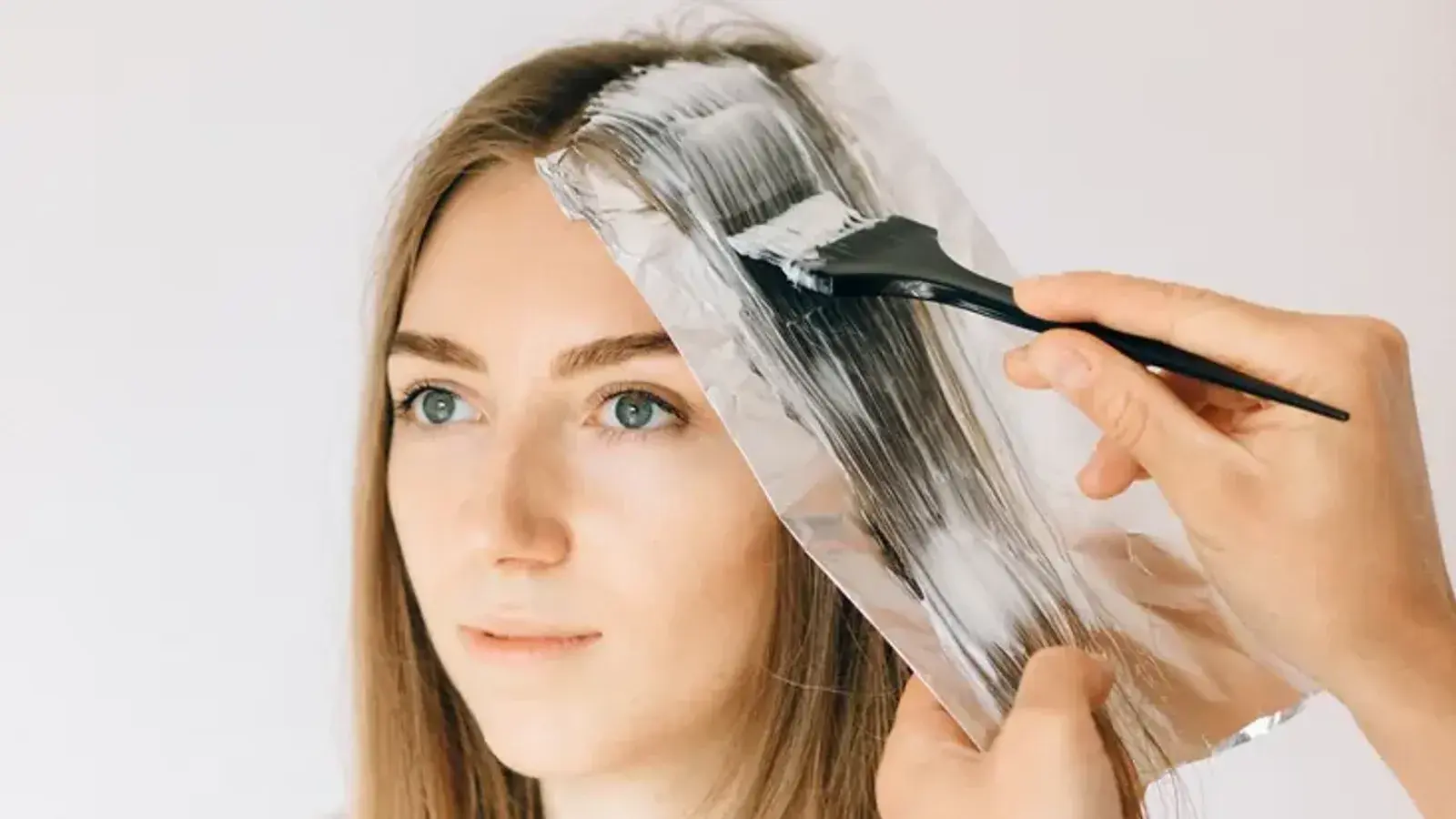
Balayage is a freehand coloring technique where your colorist paints lightener onto the surface of the hair instead of weaving it into foils. The lift starts a little away from the root and deepens toward the ends, so regrowth blends in rather than forming a hard line. Most colorists say the color usually lasts two to four months.
Here is how the technique works, how long the color holds, and what the appointment actually involves.
What balayage actually is
Balayage comes from a French verb meaning to sweep, and that describes the method. Your colorist takes a brush and works lightener onto the hair by hand, in sections, without a foil holding each piece. Placement follows where light would naturally catch, so the brightness sits on the surface and around the face rather than running evenly from root to tip.
Because the brush decides where color goes instead of a foil packet, the transition between your natural shade and the lighter pieces is soft. There is no sharp starting point at the scalp. That one detail is why a balayage grow-out tends to look easier to live with than a foil highlight grow-out.
Where the name comes from
The word is French, from balayer, to sweep. Colorists borrowed it because the brush sweeps across the surface of a section rather than saturating it from the root down.
How it differs from foil highlights
Balayage is painted freehand. Highlights are woven into foils, which hold the lightener tight against the strand and usually start closer to the scalp. Foils tend to lift more evenly and more brightly. Hand painting tends to look softer and more lived in. Plenty of colorists combine the two.
If you are weighing the two, our balayage vs highlights comparison goes into placement, grow-out and upkeep.
How long balayage usually lasts
There is no single number. How long color lasts depends on your hair, your starting shade and your routine. Most colorists work to a rough range:
- The lightened pieces: usually two to four months before a refresh, though some people stretch it longer.
- Root blending: the soft edge is the whole point, so many people wait three to four months between visits.
- Tone: a toner applied at the end usually fades before the lightener does, often within a few weeks.
Ask what range your colorist expects for your hair. Fine hair, coarse hair, previous color and how much lift you want all move the estimate.
Why balayage goes longer between appointments
A foil highlight creates a defined line where the lightened hair meets the root. As hair grows, that line travels down and becomes visible. Balayage is applied with a soft edge on purpose, so as the color grows out the boundary looks blurred instead of drawn. That buys time, though it does not mean the color never needs refreshing.
What makes balayage fade faster
- Sun. UV light fades the lighter pieces and shifts the tone.
- Washing too often. Frequent washing strips tone and speeds up fading.
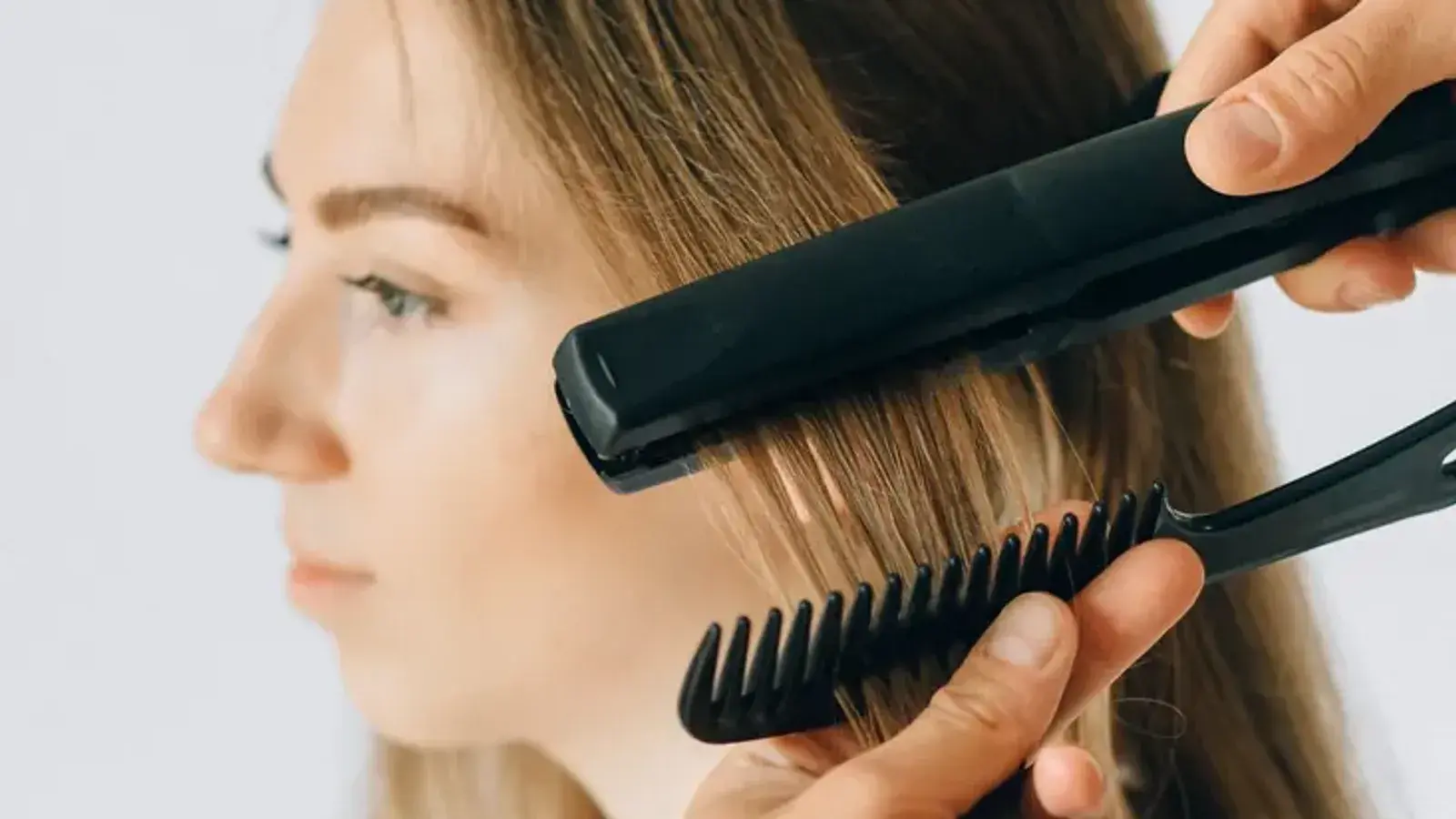
- Hot tools without protection. Heat roughens the cuticle and makes lightened hair look duller.
- Chlorine and salt water. Both can change tone, especially on blonde.
- Hard water. Minerals in the water build up on lightened hair and leave it looking duller.
None of this is a reason to skip balayage. It is a reason to go in with a plan for keeping it.
What happens at the chair
Every salon runs its own version of the appointment. In general, a first balayage visit follows the same shape.
The consultation
Your colorist looks at your hair in good light, checks its condition, and asks what you want. This is where you show photos of color you like and, just as usefully, one you do not. Caramel means something different to everyone, so pictures settle it faster than words.
Expect honest questions back. How light can your hair go in one session? Is there previous color to work around? Will it take more than one appointment to reach the shade you want? A colorist who explains the plan before mixing anything is doing it right.
The painting
The application is the slow part. Your colorist takes small sections and paints each one by hand, working from the mid-lengths down and feathering the product upward. It looks repetitive from the chair, and it is. Placement is the whole skill: too high and the root line gets harsh, too low and the grow-out looks heavy at the ends.
This is also where a balayage appointment runs longer than a standard color. In the EverCutz service list, balayage is booked at three hours at the Murphy shop and three and a half hours at the beauty salon in Richardson. Plan for most of an afternoon.
Processing
Once the color is on, it needs time to lift. Your colorist checks the hair as it develops rather than leaving it on a fixed timer, because everyone's hair lifts at a different rate. That check is what keeps the result even.
Toner and gloss
Lightener leaves hair warmer than the final shade you pictured. A toner adjusts the result, cooler, warmer or softer, and a gloss adds shine. Both usually fade before the lightened pieces do, which is why some people book a quick toner refresh between full balayage appointments.
The finish and the plan
At the end, your colorist shows you the result, explains what was used, and tells you what to expect over the next few weeks. Listen to the aftercare part. It matters more than it sounds.
What to bring and ask
- Two or three photos of color you love, and one you do not.
- Honest answers about box dye, henna or salon color in your history. Previous color changes the plan.
- Questions about how many sessions the shade will take.
- What your at-home routine looks like, including how often you wash.
Living with it between appointments
The care rules are simple and mostly about not undoing the work.
- Wash less often, and use a color-safe shampoo.
- Rinse with cooler water than you use on the rest of your body.
- Use a heat protectant before blow-drying or flat ironing.
- Add a weekly conditioning mask, because lightened hair drinks it up.
- Try a purple shampoo now and then if you see brass creeping in, but not every wash.
- Book a toner refresh if the tone shifts before the color needs a full redo.
Balayage at EverCutz
Balayage is on the menu at our beauty salon in Richardson (525 W Arapaho Rd, Suite 24) and at the shop in Murphy (104 N Murphy Rd, Suite 215). Both are open seven days a week, and each shop's page has its hours.
See balayage in Richardson or balayage in Murphy for what the service includes and the current price. Color is worth booking ahead so your colorist has the time set aside for it.
Services in this article
Questions we get about this
Usually two to four months before the color needs a refresh, though some people stretch it longer. Any toner used at the end fades sooner than the lightened pieces do, so a toner refresh in between is common.
Yes, but dark hair usually needs more lift, and many colorists reach the target shade over two appointments rather than one. Your colorist will assess how much your hair can take in a single session.
Any lightening process opens the cuticle, so some change in texture is normal. Balayage uses lightener in the same way foils do, so the technique is not gentler on the hair by itself. Condition and aftercare decide how it feels afterward.
Yes, though the painted sweep has less room to blend. On shorter hair many colorists mix foils with hand painting to get the placement right.
Most people return every three to four months, or sooner if the tone has faded or the grow-out has gone further than they like. Your colorist can set a realistic interval for your hair.